How Long Does a Cold Last? A Day-by-Day Timeline

A cold usually lasts one to two weeks. The NHS says you should begin to feel better in about 1 to 2 weeks, and the CDC says colds usually last less than a week. Most people feel much better within a week; the blocked nose and cough are what stretch it towards two. The nose is at its worst around days two to four, and the mucus thickens from about day four. A cough or blocked nose can linger after everything else has gone.
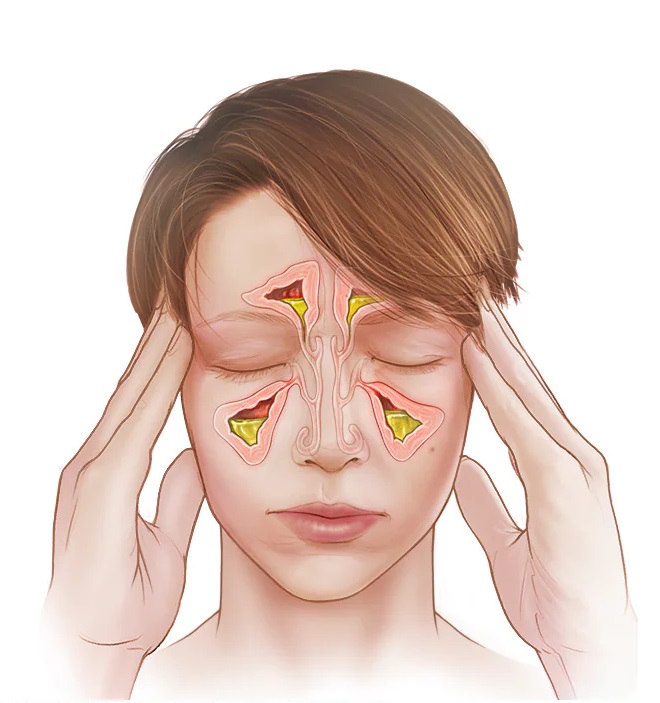
See a doctor if your symptoms have not started to improve after 10 days, or if they get worse. A high temperature (fever) lasting more than three days, or a cough going on for more than three weeks, also needs a check. A cold that gets worse after starting to get better may have become sinusitis.
This guide walks through a typical cold day by day and explains why the nose does what it does at each stage. It covers how long you are contagious, and what helps and what does not.
The typical course of a cold
Every cold is a little different, and children's colds often run longer than adults'. This is the common pattern.
| Stage | What you notice | What is happening in the nose |
|---|---|---|
| Day 1 to 2 | Scratchy or sore throat, tiredness, sneezing, first signs of a runny nose | The virus has infected the lining of the nose and throat and the immune response is starting |
| Day 2 to 4 | Runny nose at its worst, clear and watery, blocked nose, sneezing, sometimes a mild fever, more often in children | The lining swells and pours out thin mucus to flush the virus; this is the peak |
| Day 4 to 7 | Mucus thickens and may turn yellow or green, blocked nose, cough starts, throat eases | White blood cells arrive in the mucus and colour it; this is normal, not a sign of bacteria |
| Day 7 to 10 | Most symptoms fading, energy returning, blocked nose and cough may remain | The immune system is winning and the lining is repairing |
| Day 10 to 14 and beyond | Lingering cough, occasional blocked nose, otherwise well | Irritated airways settle slowly; a cough can take up to three weeks |
The colour change around day four is the point where many people ask for antibiotics. Antibiotics do nothing here. The NHS says GPs do not recommend them for colds because they will not relieve symptoms or speed recovery; colds are viral. Yellow or green mucus is part of the normal immune response.
How long does a runny nose last with a cold?
The runny nose is usually worst between days two and four and settles over the following week. It changes character as it goes: thin and clear at first, thicker and coloured from mid-week, then back to clear and less of it. A runny nose that stays thin, clear and watery for weeks, with sneezing and itching, is more likely to be an allergy. Our guide to telling allergies from a cold covers the difference.
A blocked nose often outlasts the runny one. The swelling in the lining takes longer to settle than the discharge takes to stop. Head elevation at night, saline and time are the main remedies. Our hub on how to stop a runny nose fast covers what helps during the worst days.
How long are you contagious with a cold?
The NHS says you can start spreading a cold from a few days before symptoms begin, and you stay infectious until all your symptoms have gone. That is usually one to two weeks, and longer in babies and young children. Viral shedding is generally thought to be highest in the first two to three days, when symptoms peak. The virus spreads in droplets from coughs and sneezes, and on hands and surfaces, where the NHS says cold germs can live for 24 hours.
Practical rules: wash your hands often, and catch coughs and sneezes in a tissue and bin it. While you have symptoms, avoid close contact with babies, older people and anyone with a weakened immune system or a lung condition. Staying home is sensible on the worst days. Being back at work with a lingering cough on day ten is normal.
Why some colds last longer
Several things stretch a cold past the usual two weeks.
- Children. The NHS notes symptoms can last longer in young children. The CDC notes children often have more colds than adults, so one cold can run straight into the next and look like a single long illness.
- A second cold. US adults average two to three colds a year, according to the CDC. Catching one as the last fades is common in winter.
- An allergy underneath. Allergic rhinitis keeps the lining inflamed, so a cold on top feels worse and the congestion does not clear when the cold does.
- Smoking and dry air. Both irritate the healing lining and prolong the cough and blocked nose.
- Sinusitis. A cold that improves and then gets worse again, with facial pressure and thick discharge, has often become a sinus infection. Our guide to treating a sinus infection at home covers what to do and when it needs a doctor.
Cold or flu?
People often ask how long a cold lasts when what they have is flu. The NHS distinction is onset. A cold comes on gradually over two to three days. Flu appears quickly, within a few hours, with a high temperature and aching muscles. Flu makes you feel exhausted and too unwell to carry on as normal, while a cold usually lets you keep going.
Some people are at higher risk of severe illness: pregnant, over 65, or living with asthma, COPD, diabetes or a weakened immune system. If that is you, consider testing for flu or COVID-19. The CDC notes antiviral treatments exist for both and work best when started soon after symptoms begin. Our guide to protecting your nose from winter colds and flu covers prevention.
What helps, and what the evidence says
No treatment has been shown to shorten a cold reliably. What follows makes the days easier.
- Rest, fluids and time. The NHS self-care list. Warm drinks ease the throat and help you stay hydrated.
- Saline spray or rinse. Clears mucus and moistens the lining. A Cochrane review of five small trials concluded that saline rinsing "possibly has benefits" for cold symptoms, with a high risk of bias in the evidence. Expect modest relief, not a shorter cold. Minor stinging is the main side effect. Our nasal rinse guide shows how.
- Decongestants. A Cochrane review found low-quality evidence that repeated doses give adults a small improvement in how blocked they feel, and no evidence at all in children. They do not shorten the cold. The NHS says decongestants are not for children under 6. Do not use decongestant sprays for more than a few days. US labels say three days and the NHS says no more than a week. Longer use causes rebound congestion. Check with a pharmacist before using them if you have heart or blood pressure problems, glaucoma or prostate trouble, or if you are pregnant.
- Pain relief. A pharmacist can advise on paracetamol or ibuprofen for sore throat, headache or fever. Do not give aspirin to children under 16.
- Steam. A warm shower or steamy bathroom loosens mucus. The NHS advises against steam bowls around children because of the scald risk.
- Honey. Soothes a cough and throat in adults and older children. The NHS says never give honey to a baby under 12 months.
- Antibiotics. Not useful for a viral cold. They come into play only if a bacterial sinus or chest infection develops on top, which a doctor should assess.
The NHS says there is little evidence that supplements such as vitamin C or echinacea help you get better more quickly. Zinc trials are mixed and low certainty. None replaces rest.
Children
Children's colds last longer, come more often and run into each other through the winter. A child who seems to have had a cold for six weeks has often had two or three back to back. Watch for the same red flags as adults. Add breathing that is fast or laboured, drinking much less than usual, or a child who is unusually drowsy or hard to wake. A baby under 3 months with a temperature of 38°C (100.4°F) or higher needs medical advice the same day. Our guide to a child's runny nose covers age-safe comfort measures.
When to see a doctor
The NHS advises seeing a GP if cold symptoms do not get better after 10 days, or if they get worse. See a GP if a high temperature lasts more than three days, or if your temperature is very high or you feel hot, cold or shivery. Shortness of breath, chest pain, or a cough lasting more than three weeks also need a GP. See a GP as soon as you get cold symptoms if you have a long-term condition such as diabetes, asthma, COPD or a heart or kidney condition. The same applies if you have a weakened immune system, for example from chemotherapy. See a GP if you are worried about a child's cold symptoms.
These are signs of something more serious than a cold. Call 999 or 911 for severe breathing difficulty, blue lips or confusion. Call too for a child who is floppy or unresponsive, or who has a rash that does not fade under a glass.
Frequently asked questions
How long does a cold last?
Usually one to two weeks. Symptoms peak around days two to four, mucus thickens from about day four, and most people feel better by day seven to ten. A cough or blocked nose can linger for up to three weeks.
How long does a head cold last?
A head cold is the same illness, with the symptoms mainly in the nose and sinuses. It follows the same one-to-two-week course. Facial pressure that gets worse after day seven may mean sinusitis.
Can you spread a cold before symptoms start?
Yes. From a few days before symptoms start until they have all gone, usually one to two weeks. You are generally thought to be most infectious in the first two to three days.
Why is my cold lasting so long?
The common reasons are a second cold straight after the first, an allergy keeping the lining inflamed, or smoking and dry air. A cold that has turned into sinusitis is another. If symptoms have not started to improve after 10 days, see a doctor.
How long does a cold last in a child?
Longer than in adults, and children catch more of them, so colds can run together. See a doctor if a child's symptoms are not improving after 10 days, if a high temperature lasts more than three days, or if you are worried.
Does green mucus mean I need antibiotics?
No. Mucus often turns yellow or green around day four as white blood cells arrive. That is a normal part of a viral cold. Antibiotics do not help colds.
This article provides general information. A pharmacist or doctor should guide treatment, particularly for children, in pregnancy, or if you take other medicines.