
Best Way to Clear Sinuses: 11 Methods Ranked by How Fast They Work
When your sinuses are completely blocked and you can barely breathe, you don’t want a medical textbook — you want to know the best way to clear sinuses right now. The good news? Several methods actually work, and some can have you breathing easier within minutes.
I’ve ranked these methods from fastest-acting to most thorough so you can pick the right approach for your situation — whether you need instant relief or a long-term solution.
Why Do Sinuses Get Blocked?
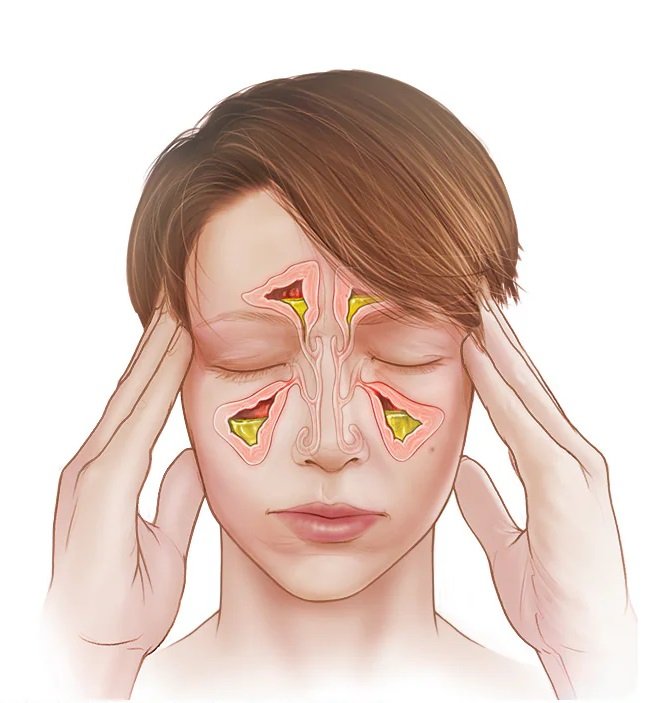
Before diving into solutions, a quick explanation helps you choose the right fix. Your sinuses are air-filled cavities behind your forehead, cheeks, nose, and eyes. When the tissue lining these cavities gets inflamed, it swells up and blocks the normal flow of mucus.
The result? That familiar pressure, pain, and stuffed-up feeling. The most common causes are:
- Common cold or flu — viral infections cause the majority of sinus congestion
- Allergies — pollen, dust mites, pet dander, and mold trigger inflammatory responses
- Sinus infections (sinusitis) — bacterial infections that develop when mucus gets trapped
- Environmental irritants — cigarette smoke, pollution, dry air, and strong chemicals
- Structural issues — a deviated septum or nasal polyps that physically block drainage
11 Best Ways to Clear Sinuses — Ranked by Speed
1. Hot Steam Inhalation (Relief in 5–10 Minutes)
Steam is the single fastest way to clear blocked sinuses. The warm, moist air immediately soothes inflamed tissue and thins out thick mucus so it can drain.
How to do it:
- Boil water and pour into a large bowl
- Add 3–4 drops of eucalyptus or peppermint essential oil (optional but highly effective)
- Drape a towel over your head to trap the steam
- Breathe deeply through your nose for 10–15 minutes
Quick alternative: Take a hot shower and breathe in the steam for 15–20 minutes. Not quite as concentrated, but much more convenient.
2. Spicy Food (Relief in 2–5 Minutes)
This is the fastest method, though it’s temporary. Capsaicin in hot peppers triggers your nose to produce watery mucus, essentially flushing out the thick, stuck congestion.
Try hot soup with chili flakes, raw horseradish, wasabi, or a clove of raw garlic. Your nose will run for a few minutes — that’s exactly what you want.
3. Saline Nasal Spray (Relief in 1–3 Minutes)
A quick spray of saline solution moisturizes dry nasal passages and helps loosen mucus. It’s not as thorough as a full rinse, but it’s the most convenient option — you can keep a bottle in your pocket or desk.
Saline sprays are completely drug-free and safe to use as often as you need.
4. Nasal Irrigation with a Neti Pot (Relief in 5–10 Minutes)
If steam is the fast fix, nasal irrigation is the thorough clean. A neti pot or squeeze bottle pushes warm saline through one nostril and out the other, physically flushing out mucus, allergens, and bacteria.
Research consistently shows this is one of the most effective sinus-clearing methods available. ENT doctors recommend it as a first-line treatment for both acute and chronic sinusitis.
Safety tip: Always use distilled, sterile, or previously boiled water — never straight from the tap. Looking for the right neti pot? We compared the top 5 neti pot brands for sinus relief. For step-by-step instructions on safe irrigation technique, saline recipes, and CDC water safety guidelines, see our complete guide to nasal irrigation.
5. Warm Compress on Your Face (Relief in 5–15 Minutes)
Placing a warm, damp cloth across your nose, cheeks, and forehead increases blood flow, reduces swelling, and loosens trapped mucus. It’s especially effective for sinus pressure and facial pain.
Soak a washcloth in warm water, wring it out, and hold it against your face for 10–15 minutes. Reheat as needed.
Variation — ginger compress: For extra anti-inflammatory power, grate a thumb-sized piece of fresh ginger, wrap it in a thin cloth, and place it over your forehead and cheeks for 10–15 minutes. Ginger’s warming compounds (gingerols) penetrate the skin and help reduce sinus swelling from the outside.
6. OTC Decongestant Spray (Relief in 5–15 Minutes)
Medicated nasal sprays like oxymetazoline (Afrin) work fast by shrinking swollen blood vessels in your nasal passages. They can be dramatically effective.
Critical warning: Do NOT use these for more than 3 consecutive days. Longer use causes rebound congestion (rhinitis medicamentosa) — your congestion actually gets worse than before you started. Use these only for short-term emergency relief.
7. Oral Decongestant (Relief in 30–60 Minutes)
Pseudoephedrine (Sudafed) or phenylephrine tablets reduce swelling throughout your nasal passages from the inside. They take longer to kick in than sprays but last longer (usually 4–12 hours depending on the formulation).
These are particularly useful when you need sustained relief throughout the day or for sleeping.
8. Herbal Tea (Relief in 15–30 Minutes)
Hot herbal tea pulls double duty — the steam opens your nasal passages from the outside while anti-inflammatory compounds work from the inside.
The best options for sinus clearing:
- Peppermint tea — menthol acts as a natural decongestant
- Ginger tea — gingerols reduce inflammation and thin mucus
- Chamomile tea — anti-inflammatory and calming (great before bed)
- Eucalyptus tea — cineole compound opens airways
Other anti-inflammatory drinks worth trying:
- Turmeric golden milk — add 1 teaspoon of turmeric powder and a pinch of black pepper to warm milk. Curcumin is one of the most studied natural anti-inflammatories, and black pepper increases its absorption by up to 2,000%. Drink 1–2 cups daily during a sinus flare-up.
- Apple cider vinegar tonic — mix 2 tablespoons of raw, unfiltered ACV into a glass of warm water with a tablespoon of honey. The potassium in ACV helps thin mucus, and the acetic acid may help prevent bacterial growth. Drink 2–3 times daily when congested.
For a complete guide to which teas work best and why, check out the best herbal teas for congestion.
9. Head Elevation (Ongoing Relief)
Gravity is your friend. When you lie flat, mucus pools in your sinuses instead of draining. Propping your head up 15–30 degrees (an extra pillow or two) makes a noticeable difference, especially at night.
This is one of the simplest things you can do, and it works while you sleep.
10. Hydration (Cumulative Relief Over Hours)
Drinking plenty of fluids thins your mucus so it flows and drains more easily. This is a slower approach, but it’s foundational — everything else works better when you’re well-hydrated.
Aim for 8–10 glasses of water daily when congested. Warm fluids (broth, tea, warm lemon water) provide additional steam benefit. Avoid alcohol and excessive caffeine — both are dehydrating.
11. Acupressure (Relief in 1–5 Minutes)
Pressing specific pressure points on your face can help open sinus passages. The technique is simple and you can do it anywhere:
- Between your eyebrows — press firmly with your index finger for 30 seconds
- Sides of your nostrils — press both sides simultaneously for 30 seconds
- Under your cheekbones — press upward along the bone from nose to ear
Repeat the cycle 3–4 times. Many people find this surprisingly effective, though results vary.
How to Clear Sinuses That Won’t Budge
If a single method isn’t cutting it, combine them for maximum effect. Here’s a proven routine:
- Start with steam inhalation (10 minutes) to loosen everything up
- Follow immediately with a saline rinse to flush out the loosened mucus
- Apply a warm compress for 10 minutes to reduce remaining swelling
- Drink a hot herbal tea to stay hydrated and continue the decongestant effect
This combination addresses congestion from multiple angles simultaneously and is more effective than any single method alone. For more powerful techniques, visit our guide on herbal remedies for nasal congestion.
How to Prevent Sinuses from Getting Blocked Again
Once you’ve cleared your sinuses, these daily habits help keep them open:
- Daily saline rinse — regular irrigation prevents buildup of allergens and irritants
- Run a humidifier — keep indoor humidity between 30–50% to prevent dry, irritated sinuses
- Stay hydrated — drink water consistently, not just when you’re sick
- Manage allergies proactively — take antihistamines before allergy season, not after symptoms start
- Avoid smoking and secondhand smoke — smoke damages the cilia that help clear mucus from your sinuses
- Eat anti-inflammatory foods — fruits, vegetables, fatty fish, and turmeric all support sinus health
- Keep your home clean — regularly clean to reduce dust, mold, and pet dander
When Blocked Sinuses Need a Doctor
Most sinus congestion clears up within 7–10 days with home care. But see a doctor if you experience:
- Symptoms lasting more than 10 days without improvement
- High fever (over 101°F / 38.3°C)
- Severe facial pain that OTC pain relievers can’t manage
- Symptoms that improve then suddenly worsen (possible bacterial infection)
- Vision changes or swelling around the eyes (seek immediate medical care)
- Recurring sinus problems (3+ infections per year) — may indicate structural issues
For chronic or recurring issues, an ENT specialist may recommend nasal corticosteroid sprays, allergy testing, or in severe cases, sinus surgery to improve drainage.
Frequently Asked Questions
What is the fastest way to clear blocked sinuses?
Steam inhalation is the fastest reliable method — most people feel significant relief within 5–10 minutes. For the most thorough clearing, follow steam with a saline nasal rinse to flush out loosened mucus. Spicy food also works very quickly but provides only temporary relief.
How many times a day should I clear my sinuses?
During active congestion, you can safely do saline rinses 2–3 times daily and steam inhalation as often as needed. For maintenance, a once-daily saline rinse is sufficient to keep sinuses clear and prevent buildup of allergens.
Can I use a neti pot every day?
Yes, daily neti pot use is considered safe by ENT specialists, and many doctors recommend it for people with chronic sinus issues or allergies. Always use distilled or previously boiled water, and clean your neti pot thoroughly after each use.
Why are my sinuses worse at night?
Lying flat allows mucus to pool in your sinus cavities instead of draining with gravity. Additionally, you can’t blow your nose while sleeping, and indoor allergens (dust mites in bedding) can worsen nighttime congestion. Elevating your head and using a humidifier in the bedroom both help.
Do decongestant sprays actually work?
Yes, medicated decongestant sprays like Afrin work very quickly and effectively. However, they must never be used for more than 3 consecutive days — longer use causes rebound congestion that’s worse than the original problem. Saline sprays have no such limitation and can be used freely.