
Home Remedies vs. Medical Treatments for Nasal Congestion: Which Works Best?
Should you reach for the neti pot or the pharmacy aisle? If you’re dealing with a stuffy nose, you’ve probably wondered whether natural home remedies are enough or if you need something stronger.
The truth is, it depends on what’s causing your congestion, how long it’s lasted, and how severe your symptoms are. This guide breaks down the best home remedies and medical treatments for nasal congestion so you can choose the right approach for your situation.
What Causes Nasal Congestion?
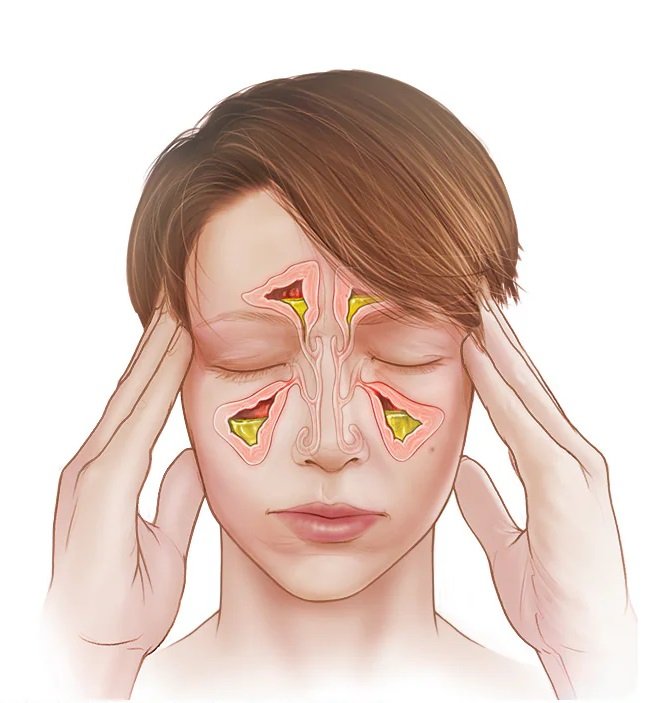
Before picking a treatment, it helps to understand what’s actually happening inside your nose. Nasal congestion occurs when the blood vessels and tissues in your nasal passages become swollen and inflamed, restricting airflow.
Common causes include:
- Viral infections (common cold, flu, COVID-19)
- Allergies to pollen, dust mites, pet dander, or mold
- Sinus infections (bacterial sinusitis)
- Environmental irritants like cigarette smoke, strong perfumes, or pollution
- Structural issues such as a deviated septum or nasal polyps
- Hormonal changes during pregnancy
Symptoms typically include a stuffy or runny nose, sinus pressure around the eyes and forehead, reduced sense of smell, and postnasal drip.
Congestion that persists at night can also lead to chronic snoring. For a closer look at this connection and targeted nighttime solutions, see our nasal congestion and snoring guide.
Best Home Remedies for Nasal Congestion
For mild to moderate congestion — especially from a cold or allergies — home remedies are often the best first step. They’re gentle, affordable, and free from the side effects that come with medication.
Steam Inhalation
One of the fastest ways to clear a stuffy nose. Boil water, pour it into a bowl, drape a towel over your head, and breathe in the warm steam for 5-10 minutes. The moisture helps thin mucus and reduce swelling in your nasal passages.
Pro tip: Add 2-3 drops of eucalyptus or peppermint essential oil for extra decongestant benefits.
Nasal Irrigation with a Neti Pot
Flushing your sinuses with a saline solution physically washes out mucus, allergens, and irritants. It’s one of the most evidence-backed remedies for congestion.
Use distilled or boiled (then cooled) water with a proper saline packet. A quality neti pot makes the process easy and effective. For DIY instructions, check out our saline solution recipes.
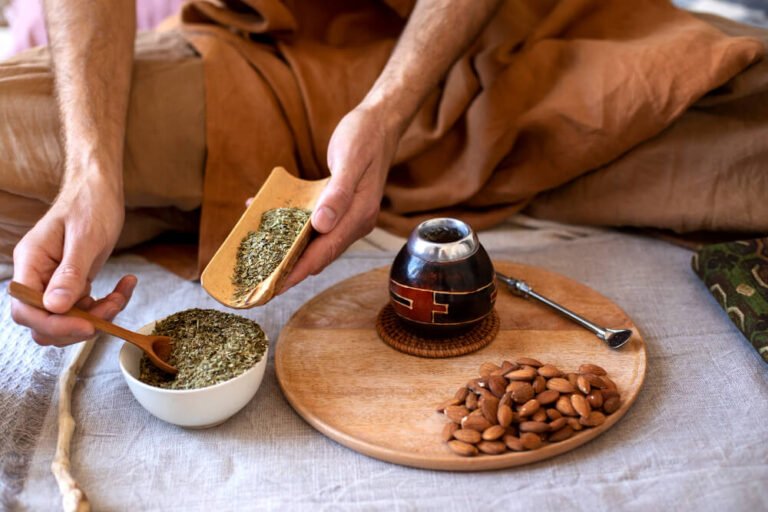
Herbal Teas
Warm liquids help thin mucus and soothe irritated tissues. Certain herbal teas go further by delivering anti-inflammatory and decongestant compounds:
- Peppermint tea — contains menthol, a natural decongestant
- Ginger tea — reduces inflammation and thins mucus
- Chamomile tea — calms irritation and promotes restful sleep
See our complete guide to the best herbal teas for congestion for all 10 recommended picks.
Warm Compresses
Place a warm, damp cloth over your nose and forehead for 10-15 minutes. This helps reduce sinus pressure and eases facial pain — especially helpful at bedtime.
Hydration
Drinking plenty of water, broth, and warm fluids keeps mucus thin and easier to drain. Aim for at least 8 glasses of water daily when you’re congested.
Humidifiers
Dry air irritates already-swollen nasal passages. Running a humidifier in your bedroom adds moisture to the air, reducing congestion — especially overnight.
When to Use Medical Treatments for Nasal Congestion
Home remedies work well for mild congestion, but sometimes you need stronger relief. Consider medical treatments when:
- Congestion lasts more than 10 days
- You have severe facial pain or high fever
- Thick, green or yellow discharge persists
- Home remedies aren’t providing relief
- You suspect a bacterial sinus infection
Nasal Decongestant Sprays (Oxymetazoline)
Sprays like Afrin provide fast relief by constricting blood vessels in the nasal passages. However, don’t use them for more than 3 days — longer use causes rebound congestion that’s worse than the original problem.
Oral Decongestants (Pseudoephedrine)
Pills like Sudafed reduce nasal swelling from the inside. They work longer than sprays but can raise blood pressure and cause jitteriness. Not recommended if you have hypertension or heart conditions.
Antihistamines
If allergies are driving your congestion, antihistamines like cetirizine (Zyrtec), loratadine (Claritin), or fexofenadine (Allegra) block the histamine response that causes swelling. Newer options are non-drowsy.
Steroid Nasal Sprays
Prescription or OTC options like fluticasone (Flonase) or budesonide reduce inflammation over time. They’re especially effective for chronic congestion and allergies but take several days to reach full effect.
Antibiotics
Only prescribed for confirmed bacterial sinus infections. Antibiotics don’t work against viral infections (the most common cause of congestion). Your doctor will determine if you need them based on symptom duration and severity.
Home Remedies vs. Medical Treatments: A Quick Comparison
| Factor | Home Remedies | Medical Treatments |
|---|---|---|
| Best for | Mild to moderate congestion | Severe or persistent congestion |
| Speed of relief | Gradual (minutes to hours) | Fast (minutes for sprays/pills) |
| Side effects | Minimal to none | Possible (rebound, drowsiness, BP changes) |
| Cost | Low (household items) | Moderate (OTC or prescription) |
| Long-term safety | Excellent for daily use | Some have use limits (e.g., 3-day spray rule) |
| Addresses root cause | Partially (reduces inflammation) | Yes (antibiotics for infection, antihistamines for allergies) |
The Best Approach: Combining Both
For most people, the most effective strategy combines home remedies with targeted medical treatments:
- Start with home remedies — steam, saline rinses, herbal teas, hydration
- Add OTC medications if needed — antihistamines for allergies, a short course of decongestant spray for severe blockage
- See a doctor if symptoms persist beyond 10 days or worsen significantly
- Maintain prevention habits — regular nasal irrigation, humidifier use, allergen avoidance
For more natural approaches, explore our full collection of herbal remedies for nasal congestion.
When to See a Doctor
Seek medical attention if you experience:
- Congestion lasting more than 10-14 days without improvement
- High fever (above 101°F / 38.3°C)
- Severe facial pain or swelling around the eyes
- Thick, foul-smelling nasal discharge
- Bloody nasal discharge
- Difficulty breathing that disrupts sleep or daily activities
These may indicate a bacterial infection, nasal polyps, or another condition requiring professional treatment.
Frequently Asked Questions
Are home remedies enough for nasal congestion?
For most cases caused by colds or mild allergies, yes. Steam inhalation, saline rinses, and herbal teas effectively relieve mild to moderate congestion. If symptoms persist beyond 10 days, consult a doctor.
Can I use nasal decongestant spray every day?
No. Limit decongestant sprays (like Afrin) to 3 days maximum. Longer use causes rebound congestion, where your nose becomes even more stuffed once the spray wears off.
What’s the fastest way to clear a stuffy nose?
Steam inhalation provides the fastest natural relief (within minutes). For medication, a decongestant nasal spray works within 1-2 minutes but should only be used short-term.
Is it better to blow your nose or let it drain naturally?
Gentle blowing is fine — one nostril at a time. Forceful blowing can push mucus back into the sinuses and worsen pressure. Saline rinses are more effective at clearing mucus safely.
Can nasal congestion be a sign of something serious?
Persistent congestion with high fever, severe pain, or vision changes could indicate a serious sinus infection or other condition. See a doctor if home remedies and OTC medications aren’t helping after 10 days.