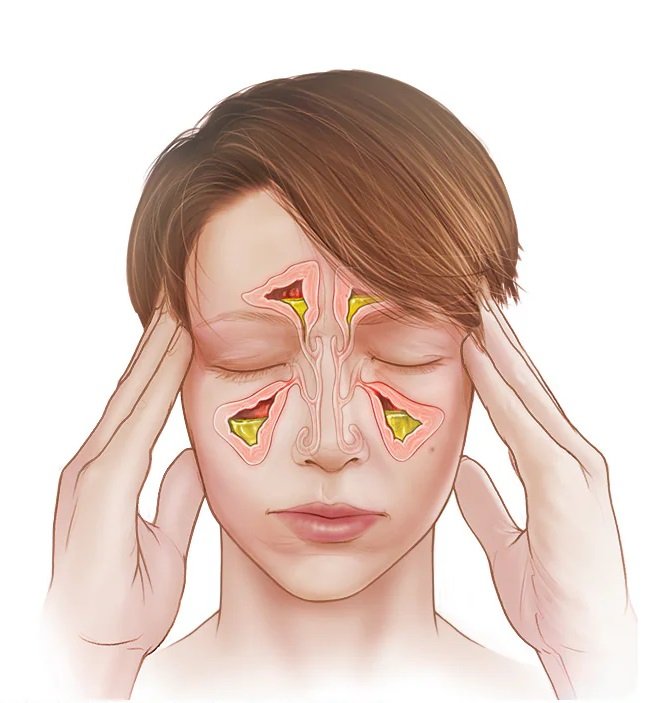
Allergies vs Cold: How to Tell the Difference
Why It Matters to Know the Difference
Allergies and colds share many symptoms — runny nose, sneezing, congestion, and fatigue — but they have completely different causes and require different treatments. Treating allergies with cold medicine wastes money and misses the real problem. Treating a cold with allergy medication may partially help symptoms but will not address the viral infection. Knowing which one you are dealing with helps you choose the right remedy, decide whether you are contagious, and understand how long symptoms will last.
The Fundamental Difference
A cold is caused by a virus — most commonly rhinovirus — that infects the cells lining your nose and throat. Your immune system fights the virus, producing inflammation, mucus, and the familiar cold symptoms. Colds are contagious and typically resolve in 7 to 10 days.
Allergies are caused by your immune system overreacting to harmless substances like pollen, dust mites, pet dander, or mold. Your body releases histamine and other chemicals that cause nasal inflammation, sneezing, and congestion. Allergies are not contagious and can last weeks, months, or year-round depending on the trigger.
Symptom-by-Symptom Comparison
| Symptom | Cold | Allergies |
|---|---|---|
| Nasal discharge | Starts clear, often turns thick yellow or green | Clear, thin, and watery throughout |
| Sneezing | Common, especially early on | Frequent, often in rapid bursts |
| Congestion | Yes, moderate to severe | Yes, moderate to severe |
| Itchy eyes | Rare | Very common — a hallmark sign |
| Itchy nose and throat | Sore throat is common; itching is rare | Persistent itching is very common |
| Sore throat | Common, often the first symptom | Occasional, usually from postnasal drip |
| Cough | Common, productive | Sometimes, usually dry from postnasal drip |
| Fever | Low-grade fever possible, especially in children | Never |
| Body aches | Mild to moderate | Never |
| Fatigue | Common | Mild — “allergy fatigue” |
| Duration | 7 to 10 days | Weeks to months (as long as exposure continues) |
| Time of year | More common fall through spring | Seasonal pattern or year-round |
| Contagious? | Yes, especially first 2 to 3 days | No |
The Quickest Way to Tell
Ask yourself these three questions:
- Do your eyes itch? Itchy, watery eyes are the single most reliable indicator of allergies. Colds rarely cause eye itching.
- Do you have a fever or body aches? Even a low-grade fever or mild body aches point toward a cold. Allergies never cause fever.
- How long have symptoms lasted? If symptoms have persisted unchanged for more than two weeks, allergies are far more likely. Colds follow a predictable arc — worsening for three to four days, then gradually improving.
Detailed Diagnostic Clues
Timing and Onset
Colds develop gradually over one to three days. You might notice a scratchy throat first, followed by congestion and runny nose over the next day or two. Symptoms peak around day three to four and then slowly improve.
Allergies often start abruptly. You walk outside, enter a dusty room, or pet an animal, and symptoms begin within minutes. If you can pinpoint the moment symptoms started, allergies are likely the cause.
Pattern Recognition
Colds are unpredictable. You catch them after exposure to a sick person, and the timing varies throughout the year (though fall and winter are more common).
Allergies follow patterns. Tree pollen causes symptoms in spring (March through May), grass pollen in late spring and summer (May through July), and ragweed in fall (August through October). If your symptoms appear at the same time every year, allergies are the likely explanation. Year-round symptoms suggest indoor allergens like dust mites, pet dander, or mold.
Nasal Discharge Color
Cold mucus typically starts clear but becomes thick, yellow, or greenish after a few days as the immune response intensifies. This color change is caused by white blood cells (neutrophils) fighting the infection and does not necessarily indicate a bacterial infection.
Allergy mucus stays clear and watery. If your nasal discharge remains thin and transparent throughout the illness, allergies are more likely.
Response to Medication
This can serve as a diagnostic test. If an antihistamine like cetirizine (Zyrtec) or loratadine (Claritin) dramatically improves your symptoms, allergies are the cause. Antihistamines provide minimal benefit for cold symptoms because the cold mechanism is viral inflammation, not histamine-driven.
Can You Have Both at the Same Time?
Yes. People with allergies are actually more susceptible to colds because chronic nasal inflammation from allergies impairs the nasal lining’s defense mechanisms. When allergies and a cold overlap, symptoms tend to be more severe and last longer. Clues that both are present include the typical cold progression (sore throat, then congestion, then improvement after a week) combined with persistent itchy eyes and sneezing that continues after the cold symptoms resolve.
If your allergy symptoms include frequent sinus infections, the problem may be allergic rhinitis progressing into sinusitis — a common but often misunderstood overlap. Our guide to allergic rhinitis vs sinusitis explains how chronic allergic inflammation triggers sinus infections and how to treat both conditions effectively.
Treatment Differences
Treating a Cold
- Rest and hydration: The foundation of cold recovery.
- Pain relievers: Acetaminophen or ibuprofen for sore throat, headache, and body aches.
- Decongestants: Pseudoephedrine (oral) or oxymetazoline spray (max three days) for congestion.
- Saline nasal irrigation: Helps clear mucus and soothe irritated passages. A neti pot or saline rinse system provides effective drug-free relief.
- Warm fluids: Herbal teas with ginger, peppermint, or honey soothe symptoms and support hydration.
- Antibiotics: Not effective against colds (which are viral). Only used if a secondary bacterial infection develops.
Treating Allergies
- Antihistamines: Second-generation options (cetirizine, loratadine, fexofenadine) are first-line treatment.
- Nasal corticosteroid sprays: Fluticasone (Flonase) or triamcinolone (Nasacort) reduce nasal inflammation at the source.
- Allergen avoidance: Identifying and minimizing exposure to your specific triggers.
- Eye drops: Ketotifen (Zaditor) or olopatadine for itchy, watery eyes.
- Immunotherapy: Allergy shots or sublingual tablets for long-term desensitization in severe cases.
- Saline irrigation: Washes allergens from the nasal passages and provides relief from sinus pressure. For a full walkthrough of irrigation devices, saline recipes, and safety guidelines, see our complete nasal irrigation guide.
When to See a Doctor
Consult a healthcare provider if cold symptoms last more than 10 days or worsen after initial improvement (possible bacterial sinus infection), you develop a high fever above 102 degrees Fahrenheit with severe facial pain, allergy symptoms significantly affect your daily life despite OTC medications, you experience wheezing or difficulty breathing (possible asthma connection), or you are unsure whether you have allergies or a cold and want diagnostic testing such as allergy skin prick tests or blood tests for specific IgE antibodies.
Bottom Line
The easiest way to distinguish allergies from a cold is to look for itchy eyes (allergies), fever or body aches (cold), and duration beyond two weeks (allergies). Clear, watery discharge that appears suddenly after an environmental trigger strongly suggests allergies, while thick discharge that follows a sore throat and resolves within 10 days points to a cold. Getting the diagnosis right means choosing the treatment that actually works — antihistamines and steroid sprays for allergies, rest and decongestants for colds — and avoiding unnecessary medications.