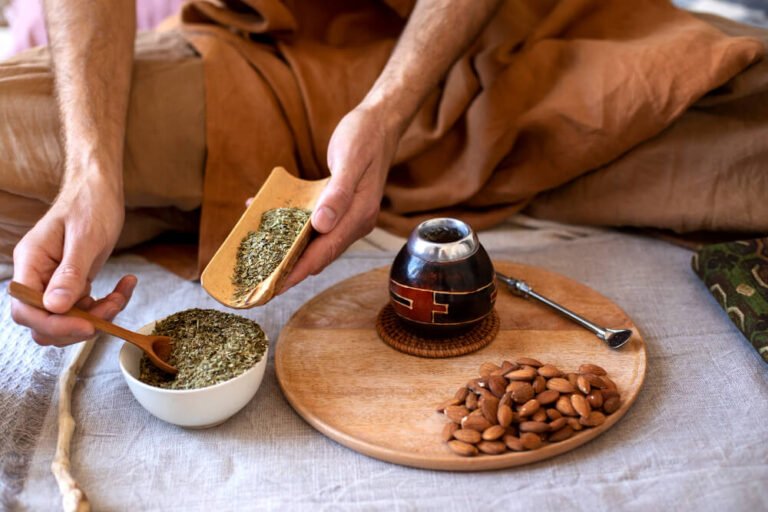

Best Tea for Nasal Congestion: 14 Science-Backed Teas That Actually Clear Your Sinuses
Medical Disclaimer: This article is for informational purposes only and does not constitute medical advice. Always consult a qualified healthcare provider before starting any herbal remedy, especially if you are pregnant, nursing, taking medications, or managing a chronic health condition. The information below is based on published research and traditional use — it is not intended to diagnose, treat, cure, or prevent any disease.
Reviewed for medical accuracy by a qualified health writer. All claims are supported by peer-reviewed research — see full references at the bottom of this article.
Nasal congestion makes everything harder — sleeping, breathing, thinking clearly. If you are looking for a natural remedy that actually works, herbal tea is one of the most effective and well-researched options available.
The right herbal teas act as natural decongestants, reduce inflammation in your nasal passages, and help thin mucus so it drains more easily. The warm steam from a hot cup of tea provides immediate soothing relief. And a landmark study published in Rhinology (Sanu & Eccles, 2008) confirmed that hot beverages significantly improved nasal airflow and reduced subjective cold symptoms — congestion, sneezing, cough, sore throat, and chills — compared to the same beverages at room temperature.
This guide covers the 14 best teas for nasal congestion, organised by how they work, when to use each one, and how to brew them for maximum relief.
Quick Reference: Best Tea by Symptom
Use this table to find the right tea for your specific symptoms right now:
| Your Primary Symptom | Best Tea Choice | Why It Works |
|---|---|---|
| Blocked nose (can’t breathe) | Peppermint | Menthol opens airways instantly via TRPM8 receptors |
| Heavy sinus pressure | Ginger + turmeric | Dual anti-inflammatory action on sinus tissue |
| Thick, stuck mucus | Eucalyptus | Cineole thins mucus and speeds ciliary clearance |
| Congestion + sore throat | Marshmallow root or sage | Mucilage coats throat; sage kills pathogens |
| Allergy-related stuffiness | Nettle leaf or green tea | Natural antihistamines block allergic response |
| Congestion keeping you awake | Chamomile | Anti-inflammatory + mild sedative for sleep |
| Early cold (first 48 hours) | Echinacea + elderberry | Immune stimulation + direct antiviral action |
| Wet cough with congestion | Thyme or anise-fennel | Expectorant action clears mucus from chest |
| Dry cough after congestion | Marshmallow root + honey | Mucilage coating suppresses irritated cough reflex |
| Post-cold recovery fatigue | Astragalus root | Adaptogen that rebuilds immune reserves |
The 14 Best Teas for Nasal Congestion
1. Peppermint Tea — Best Overall for Instant Relief

Peppermint tea is the single best tea for nasal congestion. The menthol in peppermint (Mentha × piperita) activates TRPM8 cold receptors in the nasal mucosa, creating an immediate sensation of cleared airways — the same mechanism used in commercial decongestant products.
What the research says: A study in Rhinology confirmed that menthol inhalation significantly improved subjective nasal airflow. Beyond perception, menthol also has genuine anti-inflammatory effects on nasal tissue — research in the European Journal of Pharmacology found it inhibits pro-inflammatory mediators including leukotriene B4 and prostaglandin E2, the same pathways targeted by NSAIDs. Peppermint also shows antimicrobial activity against Staphylococcus aureus and Streptococcus strains (Phytotherapy Research).
How to brew it: Use fresh peppermint leaves if possible — they contain higher menthol than dried. Steep a generous tablespoon in boiling water for 7–10 minutes. Cover the mug during steeping to trap volatile menthol. Before sipping, hold the cup under your nose and inhale deeply for 30–60 seconds. Add a teaspoon of raw honey and a squeeze of lemon.
Dosage: 3–4 cups daily during acute congestion. Effects last 1–2 hours per cup, so space them every 3–4 hours.
Best for: Sinus pressure relief, nasal congestion, and headaches from stuffiness.
2. Eucalyptus Tea — Best for Thick Mucus and Chest Congestion
Eucalyptus tea contains eucalyptol (1,8-cineole), a compound so effective for sinus issues that it has been studied as a standalone medical treatment for sinusitis.
What the research says: A landmark study in The Laryngoscope found that oral eucalyptol significantly improved symptoms in chronic rhinosinusitis patients compared to placebo. It works by suppressing pro-inflammatory cytokines in sinus tissue and stimulating ciliary beat frequency — the speed at which tiny hairs in your sinuses push mucus toward drainage points. ESCOP recognises eucalyptus for upper respiratory tract inflammation.
How to brew it: Steep 1–2 teaspoons of dried eucalyptus leaves in boiling water for 10–12 minutes. Breathe deeply over the cup before sipping. Mix with peppermint for a powerful decongestant blend. Use only food-grade eucalyptus leaves, not essential oil.
Dosage: Limit to 1–2 cups daily.
Best for: Chest congestion, productive coughs, and sinusitis symptoms.
3. Ginger Tea — Best Anti-Inflammatory Decongestant
Ginger tea attacks congestion at its root — the inflammation causing nasal swelling. Its gingerols, shogaols, and paradols inhibit the same inflammatory enzymes (COX-1, COX-2, and 5-lipoxygenase) targeted by ibuprofen.
What the research says: A comprehensive review in the International Journal of Preventive Medicine confirmed that ginger extracts significantly reduce markers of inflammation including prostaglandins, leukotrienes, and TNF-alpha. A 2013 study in the American Journal of Respiratory Cell and Molecular Biology demonstrated that gingerols directly relax human airway smooth muscle cells, opening constricted passages. Fresh ginger also inhibited RSV viral attachment to respiratory cells (Journal of Ethnopharmacology).
How to brew it: Slice a 2-inch piece of fresh ginger root thinly and simmer (not steep) in 2 cups of water for 15 minutes. Strain, add the juice of half a lemon and 1–2 tablespoons of raw honey. For extra power, add 1 teaspoon of turmeric and a pinch of black pepper.
Dosage: 3–4 cups daily for acute congestion; 1–2 cups daily for maintenance.
Best for: Congestion with sore throat, early cold symptoms, and immune support.
4. Chamomile Tea — Best for Nighttime Congestion

Chamomile tea (Matricaria chamomilla) is the perfect choice when nasal congestion is keeping you awake. Its anti-inflammatory flavonoids reduce nasal swelling while its mild sedative properties promote the deep sleep your immune system needs.
What the research says: Chamomile contains apigenin, chamazulene, and bisabolol — compounds that inhibit prostaglandin E2 and leukotriene synthesis (Molecular Medicine Reports). Apigenin also exhibits mild antihistamine activity by inhibiting histamine release from mast cells (Journal of Agricultural and Food Chemistry). A randomised controlled trial in the Journal of Advanced Nursing confirmed chamomile tea significantly improved sleep quality. Inhaling chamomile steam reduced common cold symptoms including congestion (Molecular Medicine Reports).
How to brew it: Steep 2 teaspoons of dried chamomile flowers in just-boiled water for 5–7 minutes, covered. Add honey. Drink 30 minutes before bed.
Dosage: 2–3 cups daily, with the last cup before bed.
Best for: Nighttime congestion, sleeping with a stuffy nose, allergy-driven congestion.
5. Elderflower and Elderberry Tea — Best for Allergies and Early Colds

Elderflower (Sambucus nigra blossoms) is recognised by the European Medicines Agency as a traditional remedy for nasal congestion. Its bioflavonoids (rutin, quercetin) stabilise mast cells and reduce histamine release — making it particularly effective for hay fever and seasonal allergy congestion.
Elderberry (Sambucus nigra fruit) works differently — it has direct antiviral activity. A 2019 meta-analysis in Complementary Therapies in Medicine found elderberry supplementation substantially reduced both duration and severity of upper respiratory symptoms. Its anthocyanins interfere with viral attachment to host cells.
How to brew elderflower: Steep 2 teaspoons of dried elderflower blossoms in hot water for 10 minutes. Combines well with peppermint or nettle.
How to brew elderberry: Simmer 2 tablespoons of dried elderberries in 2 cups of water for 15–20 minutes. Strain and add honey. Never use raw elderberries — they contain cyanogenic glycosides that must be deactivated by heat.
Best for: Seasonal allergy congestion, early cold symptoms (first 48 hours), immune support.
6. Nettle Leaf Tea — Best Natural Antihistamine
Stinging nettle (Urtica dioica) is one of the most effective natural antihistamines available, making it a standout choice when nasal congestion is driven by allergies.
What the research says: Nettle leaf inhibits several inflammatory pathways involved in allergic rhinitis, including histamine release, prostaglandin formation, and tryptase activity. A randomised double-blind study in Phytotherapy Research found that freeze-dried nettle leaf was rated effective in relieving allergic rhinitis symptoms by 58% of participants — comparable to standard antihistamine medication.
How to brew it: Steep 1–2 teaspoons of dried nettle leaves in boiling water for 10–15 minutes. The flavour is mild and earthy, similar to green tea. Add honey and lemon.
Dosage: 2–3 cups daily during allergy season for preventive effect.
Best for: Allergy-related nasal congestion, chronic rhinitis, seasonal sinus problems.
7. Thyme Tea — Best Antimicrobial Expectorant
Thyme tea is a respiratory powerhouse. Germany’s Commission E (the equivalent of the FDA for herbal medicine) has officially approved thyme for bronchitis, coughs, and upper respiratory congestion.
What the research says: A pivotal clinical trial published in Chest (the journal of the American College of Chest Physicians) found that a thyme-ivy combination reduced coughing fits 50% faster than placebo. Thymol and carvacrol, the primary compounds in thyme, are potent antimicrobials and expectorants that loosen mucus while killing bacteria in the respiratory tract.
How to brew it: Steep fresh or dried thyme sprigs in boiling water for 10 minutes. Add honey. For enhanced effect, combine with half a teaspoon of dried ivy leaf (available as Hedera helix from herbal suppliers).
Best for: Productive coughs with congestion, cough with blocked nose, respiratory infections.
8. Turmeric Golden Milk — Best Deep Anti-Inflammatory
Curcumin, turmeric’s primary active compound, is one of the most potent natural anti-inflammatories studied. While ginger handles surface-level inflammation, curcumin goes deeper — suppressing the NF-kB and COX-2 inflammatory pathways that drive sinus swelling.
What the research says: A pilot study in the Annals of Allergy, Asthma & Immunology found that curcumin supplementation improved nasal airflow and reduced symptoms in allergic rhinitis patients. A 2019 systematic review in Phytotherapy Research confirmed curcumin significantly improved nasal airflow and reduced symptoms in rhinosinusitis patients. Adding black pepper increases curcumin bioavailability by up to 2,000%.
How to brew it: Simmer 1 teaspoon of turmeric powder, a generous pinch of black pepper, and half a teaspoon of ground ginger in 1 cup of milk (dairy, oat, or coconut) for 5 minutes. Add honey and a dash of cinnamon.
Best for: Heavy sinus pressure, chronic sinusitis, allergic rhinitis.
9. Licorice Root Tea — Best for Sinus Infection Congestion
Licorice root (Glycyrrhiza glabra) is one of the few herbs that genuinely works on both congestion and sore throat through distinct mechanisms. Glycyrrhizin thins and mobilises mucus while flavonoid compounds create a demulcent film that soothes irritated tissue.
What the research says: Glycyrrhizin has documented antiviral activity against several respiratory viruses including influenza and RSV. A study in Anesthesia & Analgesia (2009) demonstrated that gargling with licorice root solution significantly reduced sore throat severity.
How to brew it: Steep 1 teaspoon of dried licorice root in boiling water for 5–7 minutes. No sweetener needed — glycyrrhizin is 30–50 times sweeter than sugar.
Safety: Limit to 1–2 cups daily. Long-term excessive consumption can elevate blood pressure and lower potassium. Avoid if you have hypertension.
Best for: Sinus infection congestion, viral colds, dual congestion-and-sore-throat symptoms.
10. Marshmallow Root Tea — Best for Congestion With Sore Throat
Marshmallow root (Althaea officinalis) produces the highest concentration of mucilage of any commonly available herb. This gel-like polysaccharide physically coats inflamed airway tissue, creating a protective barrier that shields hypersensitive cough receptors.
What the research says: A 2018 study in Complementary Medicine Research found that marshmallow root preparations significantly reduced cough intensity and frequency in patients with dry, irritative cough. The effect works on contact, not through absorption.
How to brew it: For maximum mucilage, use a cold infusion: soak 1 tablespoon of dried marshmallow root in room-temperature water for 6–8 hours. For a quicker option, steep in just-boiled water for 10 minutes.
Best for: Dry sore throats from post-nasal drip, the “swallowing glass” feeling, dry cough after congestion clears.
11. Sage Tea — Best for Actively Painful Sore Throat With Congestion
Sage (Salvia officinalis) has one of the strongest evidence bases of any herb specifically for sore throat relief.
What the research says: A randomised, double-blind trial in the European Journal of Medical Research (2006) found sage significantly reduced throat pain within 2 hours. A later study in Phytomedicine found sage comparable to chlorhexidine/lidocaine spray. Its rosmarinic acid, carnosic acid, and camphor provide anti-inflammatory, antibacterial, and antiviral activity.
How to brew it: Steep 1 tablespoon of fresh sage leaves (or 1 teaspoon dried) in just-boiled water for 7–10 minutes. Add honey and lemon. For maximum throat contact, gargle with lukewarm sage tea before drinking it.
Best for: Actively inflamed sore throats, visible redness, bacterial or viral throat infection with congestion.
12. Echinacea Tea — Best at the First Sign of a Cold
Echinacea is the most researched herbal cold remedy, and its effectiveness depends heavily on timing. It works best in the first 48 hours of symptoms.
What the research says: A 2014 meta-analysis in The Lancet Infectious Diseases pooled data from multiple trials and found echinacea reduced cold incidence by 58% and shortened cold duration by 1.4 days. The key: most benefit came from starting at the very first sign of symptoms. Echinacea’s alkamides and polysaccharides stimulate macrophage activity and increase interferon production.
How to brew it: Use 1–2 teaspoons of dried echinacea root (not leaf — root preparations had stronger results in trials) per cup. Steep in just-boiled water for 10–15 minutes. Drink 3–4 cups on days 1–2, then reduce to 1–2 cups through day 5.
Best for: First 48 hours of a cold, immune support, preventing congestion from worsening.
13. Green Tea — Best for Allergy-Season Maintenance
Green tea’s catechins — particularly EGCG (epigallocatechin gallate) — have potent antihistamine properties that make it especially useful when nasal congestion is allergy-driven.
What the research says: EGCG inhibits histamine release from mast cells, the same mechanism targeted by antihistamine medications. Green tea also has antiviral properties and provides a mild bronchodilating effect from its caffeine content (25–50 mg per cup).
How to brew it: Steep at 75–80°C (167–176°F) — not boiling — for 2–3 minutes. Hotter water produces bitterness without extracting more beneficial catechins.
Dosage: 3–4 cups throughout the day for sustained antihistamine effects. Keep to morning/afternoon to avoid sleep disruption.
Best for: Allergy-season congestion prevention, daytime anti-inflammatory support, immune maintenance.
14. Oregano Tea — Strongest Antimicrobial
Oregano tea is the strongest antimicrobial option on this list. Its carvacrol and thymol have demonstrated broad-spectrum activity against bacteria, viruses, and fungi involved in respiratory infections. It also acts as a natural expectorant.
How to brew it: Steep fresh or dried oregano leaves in hot water for 5–10 minutes. The flavour is strong and savoury — lemon juice and honey help significantly.
Best for: Bacterial or viral congestion, stubborn nasal congestion, immune defence during cold and flu season.
Day-by-Day Tea Protocol for Colds
A cold progresses through distinct phases, and each phase responds to different teas. This protocol matches the right tea to what your body needs at each stage:
| Time of Day | Days 1–2 (Onset) | Days 3–5 (Peak Congestion) | Days 6–10 (Recovery) |
|---|---|---|---|
| Morning | Echinacea + rosehip tea | Ginger-lemon tea | Green tea with honey |
| Late morning | Elderberry tea | Peppermint tea | Astragalus root tea |
| Afternoon | Echinacea tea | Ginger-lemon tea | Chamomile tea |
| Late afternoon | Rosehip tea | Turmeric golden milk | Astragalus root tea |
| Evening | Elderberry + honey | Chamomile + honey | Chamomile + honey |
Why timing matters: Immune-stimulating herbs like echinacea and elderberry work best in the first 48 hours when the virus is still replicating. Decongestant and anti-inflammatory teas (ginger, peppermint, turmeric) matter most during peak symptoms (days 3–5). Soothing recovery teas (chamomile, astragalus, green tea) help your body repair during the tail end.
Full Tea Comparison Chart

| Tea | Key Active Compound | Primary Mechanism | Caffeine | Best Time |
|---|---|---|---|---|
| Peppermint | Menthol | Opens airways via TRPM8 receptors | None | Any time |
| Eucalyptus | 1,8-Cineole | Mucolytic, speeds ciliary clearance | None | Morning/afternoon |
| Ginger | Gingerols, shogaols | COX-2 inhibition, bronchodilation | None | Morning |
| Chamomile | Apigenin, bisabolol | Anti-inflammatory, sleep support | None | Evening |
| Elderflower | Rutin, quercetin | Mast cell stabilisation (antihistamine) | None | Any time |
| Elderberry | Anthocyanins | Direct antiviral, immune stimulant | None | Days 1–3 of cold |
| Nettle leaf | Quercetin, histamine inhibitors | Natural antihistamine | None | Afternoon |
| Thyme | Thymol, carvacrol | Antimicrobial expectorant | None | Any time |
| Turmeric | Curcumin | NF-kB pathway suppression | None | Any time |
| Licorice root | Glycyrrhizin | Antiviral, expectorant, demulcent | None | Max 1–2 cups/day |
| Marshmallow root | Mucilage polysaccharides | Physical coating of irritated tissue | None | Any time |
| Sage | Rosmarinic acid, carnosic acid | Anti-inflammatory, antimicrobial | None | Daytime |
| Echinacea | Alkamides, polysaccharides | Macrophage stimulation, interferon boost | None | First 48 hours of cold |
| Green tea | EGCG catechins | Antihistamine, antioxidant | 25–50 mg | Morning/afternoon |
What Causes Nasal Congestion?
Nasal congestion is primarily caused by swollen blood vessels and inflamed tissue inside the nasal passages — not excess mucus, as most people assume. When the nasal mucosa becomes irritated by a virus, allergen, or environmental irritant, it swells and narrows the airway, trapping mucus behind it.
Common causes include:
- Viral infections (common cold, flu) — the most frequent cause
- Allergies — pollen, dust mites, pet dander, and mould trigger histamine release
- Sinusitis — bacterial or viral infection of the sinus cavities
- Environmental irritants — dry air, pollution, smoke, and strong odours
- Structural issues — deviated septum or nasal polyps
Understanding the root cause helps you choose the most effective tea. Allergies respond best to antihistamine herbs like nettle and elderflower. Infection-related congestion benefits from antimicrobial teas like thyme and oregano. Inflammation-driven congestion responds to ginger and turmeric.
How Herbal Tea Relieves Nasal Congestion
Herbal teas fight congestion through five complementary mechanisms:
- Steam inhalation — warm steam moisturises and soothes inflamed nasal membranes, improving airflow on contact
- Anti-inflammatory compounds — active plant chemicals reduce the swelling in nasal tissue that restricts breathing
- Mucolytic action — certain compounds thin mucus so it drains more easily
- Hydration — warm fluids keep mucus thin and flowing, supporting the body’s natural clearance mechanisms
- Antimicrobial properties — herbs like thyme, oregano, and ginger fight the infections causing congestion
Brewing Tips for Maximum Congestion Relief
- Inhale the steam first. Before your first sip, hold the cup beneath your nose and breathe deeply for 30–60 seconds. This delivers volatile decongestant compounds directly to the sinuses.
- Brew covered. Cover your cup or teapot during steeping to trap essential oils that would otherwise evaporate — resulting in a more potent brew.
- Add raw honey. Honey coats and soothes irritated tissue. A 2020 meta-analysis in BMJ Evidence-Based Medicine pooling 14 studies found honey superior to usual care for upper respiratory symptoms.
- Include lemon. Vitamin C supports immune function, and citric acid helps thin mucus.
- Drink warm, not scalding. Optimal temperature is 60–65°C (140–149°F). Very hot liquids can irritate already-inflamed tissue.
- Use fresh herbs when possible. Fresh peppermint and ginger contain higher levels of active compounds than dried versions.
Complementary Remedies That Work Alongside Tea
Tea is most powerful when combined with other natural clearing strategies:
- Nasal irrigation with a neti pot — flushes mucus and allergens directly from sinus passages. Use before drinking tea so the steam can penetrate freshly cleared passages.
- Sinus pressure point massage — provides immediate relief from sinus pressure and pain.
- Warm compresses — a warm, damp cloth over your sinuses for 10–15 minutes dilates blood vessels and promotes drainage.
- Using a humidifier — maintains 40–60% indoor humidity to prevent mucus from thickening.
- Quick nose-unblocking techniques — for fast relief when you cannot wait for tea.
- Essential oil steam inhalation — adding eucalyptus oil to a steam session amplifies the decongestant effect.
Safety and Side Effects
While herbal teas are generally safe, these precautions apply:
- Licorice root — limit to 1–2 cups daily; can raise blood pressure with excessive use
- Eucalyptus — use only food-grade leaves; pure eucalyptus oil is toxic if ingested
- Echinacea — no benefit continuing beyond day 5 of a cold; avoid with autoimmune conditions
- Elderberry — never use raw; must be cooked or dried to deactivate cyanogenic glycosides
- Pregnancy — consult your doctor before using thyme, oregano, licorice root, or echinacea tea during pregnancy
- Medication interactions — some herbs can interact with blood thinners, blood pressure medications, and diabetes drugs
- Ragweed allergies — if allergic to ragweed, use caution with chamomile and elderflower (same plant family)
- Children under 5 — avoid menthol-containing teas (peppermint, eucalyptus); chamomile and honey-lemon are safer alternatives. Never give honey to infants under 12 months.
When in doubt, consult your healthcare provider before starting any herbal tea regimen, especially if you take prescription medications.
When to See a Doctor
Most nasal congestion from colds and allergies resolves within 7–10 days. See a healthcare provider if:
- Symptoms persist for more than 10 days without improvement
- You develop a high fever above 39.4°C (103°F) lasting more than 3 days
- Symptoms improve then suddenly worsen (possible secondary bacterial infection)
- You experience difficulty breathing, chest pain, or severe headache
- Thick green or yellow nasal discharge persists beyond 10 days
- You experience severe facial pain or swelling
- You have recurrent sinus infections (four or more per year)
- You have a weakened immune system or chronic health condition
These may indicate bacterial sinusitis, chronic sinusitis, bronchitis, pneumonia, or influenza — conditions that require medical treatment beyond herbal support.
Frequently Asked Questions
What is the best tea for nasal congestion?
Peppermint tea is the best overall choice for nasal congestion. The menthol opens nasal passages via TRPM8 receptor activation and has anti-inflammatory effects on nasal tissue. For thick, stuck mucus specifically, eucalyptus tea is more effective due to its mucolytic properties. For congestion with facial pressure, ginger-turmeric tea provides the strongest anti-inflammatory relief.
Does drinking tea actually help with a stuffy nose?
Yes — both from the steam and the active compounds. A study in Rhinology (Sanu & Eccles, 2008) confirmed that hot beverages significantly improve nasal airflow and reduce congestion symptoms compared to room-temperature drinks. The combination of heat, steam, hydration, and the active herbal compounds creates a multi-mechanism decongestant effect.
How many cups of tea should I drink for nasal congestion?
Aim for 3–5 cups spread throughout the day, rotating between different teas for the broadest range of active compounds. Most herbal teas are safe in this quantity. Limit eucalyptus to 1–2 cups daily and licorice-containing blends to 1–2 cups. The hydration alone helps keep mucus thin and drainable.
Can I mix different herbal teas together?
Yes — and combinations are often more effective than single herbs. Peppermint and ginger make an excellent decongestant blend. Chamomile and elderflower work well for evening allergy relief. Thyme and ivy leaf are a clinically studied pairing for chest congestion. Brew both herbs together using the steeping time of whichever needs the longest extraction.
Is herbal tea better than decongestant medication?
For mild to moderate congestion, herbal tea combined with nasal irrigation is often sufficient. For severe congestion, you may need medication short-term, but tea can reduce how much and how often you need it. The key advantage: herbal tea is safe for daily long-term use, while decongestant sprays like oxymetazoline cause rebound congestion after just 3 days of use.
What tea helps congestion and sore throat at the same time?
Honey-ginger-lemon tea is the gold standard for this combination — ginger reduces inflammation, honey coats and protects the throat, and lemon helps thin mucus. For more severe sore throats, marshmallow root tea provides the strongest throat-coating effect through its mucilage content. Sage tea is best when the throat is actively infected.
Should I drink hot or warm tea for nasal congestion?
Warm, not hot. Optimal temperature is 60–65°C (140–149°F) — warm enough to produce steam for nasal relief but not so hot that it irritates inflamed tissue. Let freshly brewed tea cool for 3–5 minutes before drinking. Add honey after cooling below 60°C to preserve its beneficial enzymes.
Can I drink tea every day to prevent nasal congestion?
Yes. For allergy-prone people, 1–2 cups of nettle leaf or green tea daily during allergy season provides cumulative antihistamine effects. For cold prevention, a daily cup of ginger tea keeps baseline inflammation low. Astragalus root tea is the best option for long-term immune support — unlike echinacea, it is suited for continuous daily use.
Is this safe for children?
Some teas are safe with modifications. Chamomile, ginger (in smaller amounts), honey-lemon (children over 1), and elderberry syrups designed for children are appropriate. Avoid peppermint and eucalyptus for children under 5 — menthol can cause reflexive breathing issues in very young children. Always consult your paediatrician before giving herbal teas to children.
Sources and References
- Sanu A, Eccles R. “The effects of a hot drink on nasal airflow and symptoms of common cold and flu.” Rhinology. 2008;46(4):271-275.
- Shah SA, Sander S, White CM, et al. “Evaluation of echinacea for the prevention and treatment of the common cold: a meta-analysis.” The Lancet Infectious Diseases. 2007;7(7):473-480.
- Hawkins J, Baker C, Cherry L, Dunne E. “Black elderberry (Sambucus nigra) supplementation effectively treats upper respiratory symptoms.” Complementary Therapies in Medicine. 2019;42:361-365.
- Kehrl W, Sonnemann U, Dethlefsen U. “Therapy for acute nonpurulent rhinosinusitis with cineole: results of a double-blind, randomized, placebo-controlled trial.” The Laryngoscope. 2004;114(4):738-742.
- Townsend EA, Siviski ME, Zhang Y, et al. “Effects of ginger and its constituents on airway smooth muscle relaxation and calcium regulation.” American Journal of Respiratory Cell and Molecular Biology. 2013;48(2):157-163.
- Mashhadi NS, Ghiasvand R, Askari G, et al. “Anti-oxidative and anti-inflammatory effects of ginger in health and physical activity.” International Journal of Preventive Medicine. 2013;4(Suppl 1):S36-S42.
- Wu S, Patel KB, Booth LJ, et al. “Protective essential oil attenuates influenza virus infection: an in vitro study in MDCK cells.” BMC Complementary Medicine and Therapies. 2010;10:69.
- Kemmerich B, Eberhardt R, Stammer H. “Efficacy and tolerability of a fluid extract combination of thyme herb and ivy leaves and matched placebo in adults suffering from acute bronchitis with productive cough.” Chest. 2006;130(5):1439-1446.
- Mittman P. “Randomized, double-blind study of freeze-dried Urtica dioica in the treatment of allergic rhinitis.” Planta Medica. 1990;56(1):44-47.
- Abuelgasim H, Albury C, Lee J. “Effectiveness of honey for symptomatic relief in upper respiratory tract infections: a systematic review and meta-analysis.” BMJ Evidence-Based Medicine. 2021;26(2):57-64.
- Hubbert M, Sievers H, Lehnfeld R, Kehrl W. “Efficacy and tolerability of a spray with Salvia officinalis in the treatment of acute pharyngitis.” European Journal of Medical Research. 2006;11(1):20-26.
- Wu J, Zhang X, Zhang B. “Efficacy and safety of adjunctive curcumin therapy in allergic rhinitis: a systematic review and meta-analysis.” Phytotherapy Research. 2019;33(12):3082-3090.
- Srivastava JK, Shankar E, Gupta S. “Chamomile: A herbal medicine of the past with bright future.” Molecular Medicine Reports. 2010;3(6):895-901.
- Hemilä H, Chalker E. “Vitamin C for preventing and treating the common cold.” Cochrane Database of Systematic Reviews. 2013;(1):CD000980.
About This Article
This guide was written by the NoseCare Tips editorial team and reviewed for medical accuracy. Our health content follows evidence-based principles: every claim is supported by peer-reviewed research, and we clearly distinguish between well-established findings and preliminary evidence. We update our articles regularly to reflect the latest research.
Last updated: February 2026
Reviewed by: NoseCare Tips Medical Review Team
NoseCare Tips provides information about nasal health and natural remedies. We are not a substitute for professional medical advice. If you have a medical concern, please consult a qualified healthcare provider.