Deviated Septum and Sleep: How It Affects Your Rest & Solutions That Work
You’re exhausted, you climb into bed, and then it starts: the struggle to breathe through your nose, the tossing and turning to find a position where you can breathe, the dry mouth by morning. If this sounds familiar, a deviated septum might be disrupting your sleep.
What Is a Deviated Septum?
The septum is the wall of cartilage and bone that divides your nose into two nostrils. A deviated septum occurs when this dividing wall is displaced to one side, making one nasal passage smaller than the other.
Studies suggest that approximately 80% of people have some degree of septal deviation. However, only about 25% have a deviation significant enough to cause symptoms.
How a Deviated Septum Affects Your Sleep
Nasal Congestion That Worsens at Night
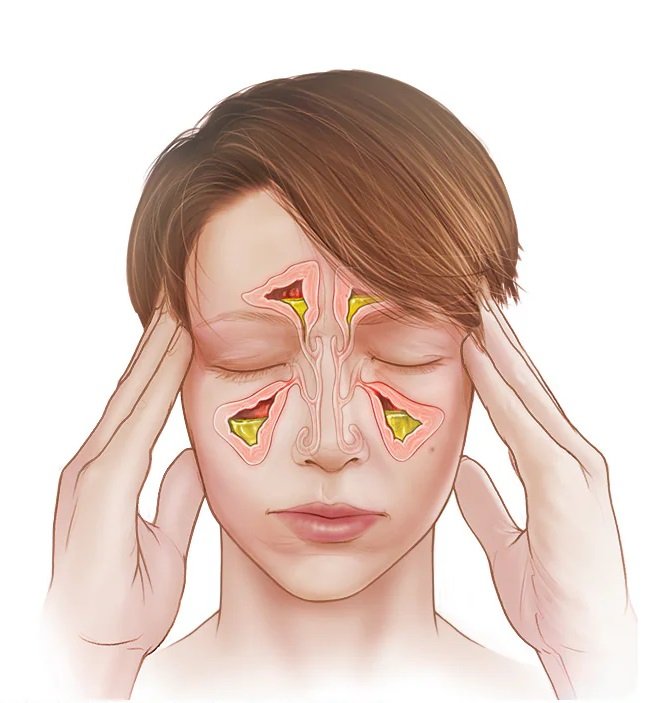
Many people with deviated septums notice their symptoms are worse at night. Lying down causes blood to pool in the nasal tissues, increasing swelling. This can intensify feelings of sinus pressure, making it even harder to fall asleep.
Mouth Breathing During Sleep
When your nose can’t supply enough air, your mouth automatically opens. This causes dry mouth, bad breath, increased risk of cavities, and disrupted sleep.
Snoring
A deviated septum is a common cause of snoring. When air is forced through a narrowed passage, the surrounding tissues vibrate. For a detailed guide on how a deviated septum specifically causes snoring and what works, see our deviated septum and snoring guide.
Connection to Sleep Apnea
A deviated septum doesn’t directly cause obstructive sleep apnea (OSA), but it can contribute to or worsen the condition.
Non-Surgical Solutions for Better Sleep
Optimize Your Sleep Position
- Sleep on your “good” side: Most people breathe better when the larger nostril is facing down
- Elevate your head: Prop up 30-45 degrees to reduce blood pooling
- Avoid sleeping on your back: This tends to worsen congestion and snoring
Use Nasal Strips or Dilators
External nasal strips and internal dilators can mechanically open the nasal passages, making breathing easier.
Address Nasal Congestion
- Saline irrigation: Rinse your nasal passages before bed with a top-rated neti pot to flush allergens and thin mucus
- Nasal corticosteroid sprays: Reduce inflammation in nasal tissue
- Humidifier: Use in your bedroom (40-50% humidity)
- Warm beverages: Sipping herbal tea for congestion before bed can help open nasal passages naturally
When to Consider Surgery
If conservative measures don’t provide adequate relief, surgical correction (septoplasty) may be recommended. Consider consultation if:
- Non-surgical treatments haven’t improved symptoms after 3-6 months
- You have documented sleep apnea that doesn’t respond fully to CPAP
- Nasal obstruction significantly impacts your quality of life
Frequently Asked Questions
Can a deviated septum fix itself?
No. A deviated septum is a structural issue that won’t change on its own.
Can CPAP work with a deviated septum?
Yes, but it may be more challenging. Options include full-face masks or surgery to correct the deviation.
The Bottom Line
A deviated septum doesn’t have to mean endless sleepless nights. Many people find significant relief through sleep positioning, nasal aids, medical treatment, and environmental controls. Start with non-invasive approaches and consult an ENT specialist if symptoms persist.
Disclaimer: This article is for informational purposes only. Please consult a healthcare provider for diagnosis and treatment.