
How to Relieve Sinus Pressure: 12 Fast-Acting Methods
Sinus pressure can make your entire face feel like it is being squeezed in a vise. The dull, heavy ache behind your eyes, across your forehead, and deep in your cheeks makes it hard to concentrate, sleep, or enjoy anything about your day. The good news is that most sinus pressure responds quickly to the right combination of home remedies — often within minutes.
This guide presents 12 fast-acting methods for relieving sinus pressure, ordered from the quickest-acting to the most sustained. Most can be done at home with no special equipment.
What Causes Sinus Pressure?
Sinus pressure occurs when the mucous membranes lining your sinus cavities become inflamed and swollen. This swelling blocks the tiny drainage openings (ostia) that normally allow mucus to flow out of the sinuses into the nasal cavity. As mucus accumulates behind the blocked openings, pressure builds — creating the characteristic ache and fullness in your face.
Common triggers include:
- Viral upper respiratory infections (colds and flu)
- Allergic rhinitis (seasonal or year-round allergies)
- Bacterial sinus infections (sinusitis)
- Barometric pressure changes (weather fronts, altitude changes, flying)
- Environmental irritants (smoke, pollution, dry air)
For a comprehensive overview of what causes sinus pressure and long-term management strategies, visit our complete guide to sinus pressure relief.
12 Fast-Acting Methods to Relieve Sinus Pressure
1. Warm Compress
Speed of relief: 2–5 minutes
A warm, damp towel placed over your forehead, nose, and cheeks dilates blood vessels and promotes mucus flow, easing pressure almost immediately.
How to do it: Soak a clean washcloth in comfortably hot water (not scalding), wring it out, and drape it across the bridge of your nose, cheeks, and forehead. Rest with the compress for 5–10 minutes. Reheat the cloth when it cools. Repeat as often as needed throughout the day.
2. Steam Inhalation
Speed of relief: 3–5 minutes
Inhaling warm, moist steam opens swollen sinus passages and loosens trapped mucus. It is one of the fastest and most reliable sinus pressure remedies available.
How to do it: Boil water and pour it into a large bowl. Lean over the bowl with a towel draped over your head to trap the steam. Breathe slowly and deeply through your nose for 5–10 minutes. For extra decongestant power, add 3–4 drops of eucalyptus or peppermint essential oil to the water.
Quick alternative: Take a hot shower with the bathroom door closed and breathe deeply. The accumulated steam provides similar relief with less setup.
3. Nasal Irrigation
Speed of relief: 5–10 minutes
Flushing the nasal passages with saline solution physically washes out the mucus, allergens, and inflammatory chemicals that are causing pressure to build. This is one of the most effective methods for meaningful, lasting pressure relief.
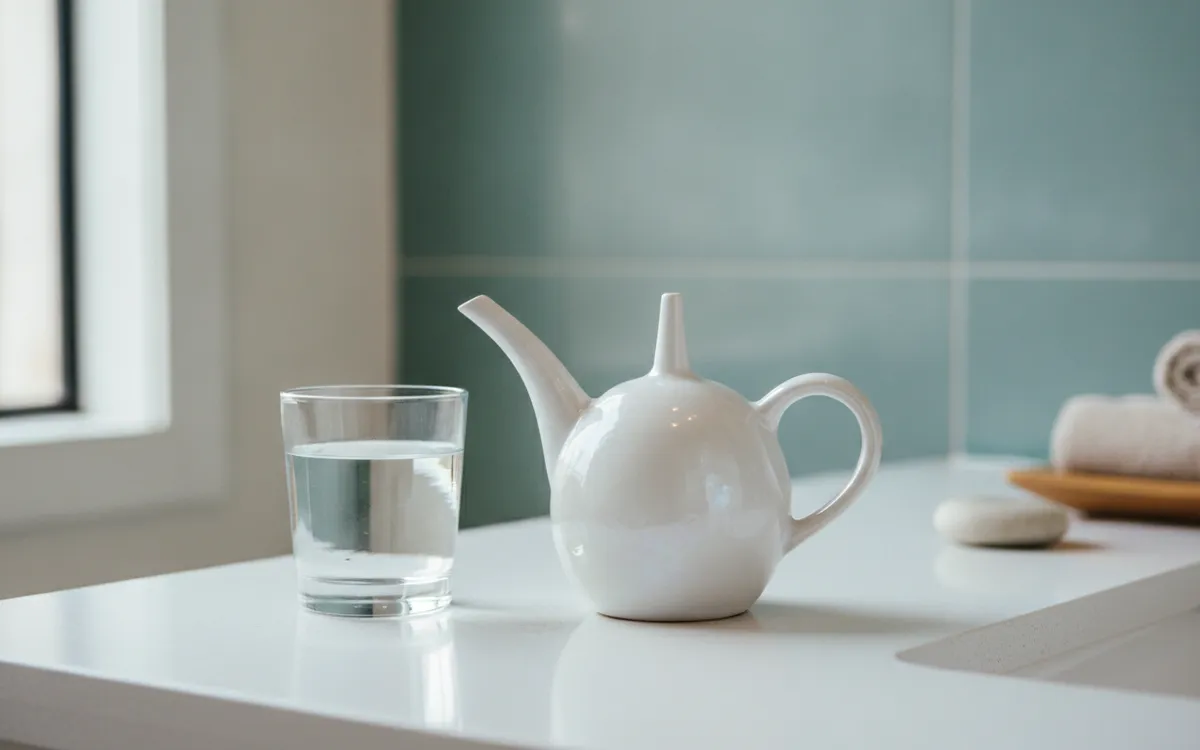
How to do it: Use a neti pot or squeeze bottle with sterile saline solution. Lean over a sink, tilt your head to one side, and gently pour the solution into your upper nostril. It will flow through your nasal passages and exit the lower nostril, carrying mucus and debris with it. Repeat on the other side.
4. Acupressure Points
Speed of relief: 1–3 minutes
Specific pressure points on the face can provide surprisingly fast relief from sinus pressure by promoting drainage and reducing local muscle tension.
Key points to press:
- LI20 (Welcome Fragrance): Located in the groove beside each nostril. Press firmly with your index fingers for 30 seconds while breathing slowly.
- BL2 (Gathering Bamboo): Located at the inner corner of each eyebrow, where the brow meets the bridge of the nose. Apply steady pressure for 30 seconds.
- Yintang (Third Eye): The point between your eyebrows. Press firmly for 1 minute while closing your eyes.
- SI18 (Cheekbone Hole): Directly below the outer corner of each eye, in the hollow of the cheekbone. Press for 30 seconds.
Work through all four points in sequence, repeating the circuit 2–3 times.
5. Hydration
Speed of relief: 30–60 minutes (sustained effect)
Dehydration thickens mucus, making it harder for your sinuses to drain. Increasing your fluid intake thins the mucus so it can flow through the swollen openings more easily.
How to do it: Drink at least 8–10 glasses of water or clear fluids throughout the day. Warm fluids are especially helpful — herbal teas like peppermint, ginger, and eucalyptus provide hydration plus anti-inflammatory compounds and decongestant steam in every cup. Clear broth and warm water with lemon also work well.
6. Head Elevation
Speed of relief: 10–20 minutes
When you lie flat, gravity pulls mucus backward and blood pools in the nasal tissue, worsening sinus pressure. Elevating your head encourages drainage.
How to do it: Prop yourself up with an extra pillow or two so your head is at a 30–45 degree angle. This is especially important at night — sinus pressure is typically worst in the morning because mucus has pooled in the sinuses during hours of lying flat.
7. Humidification
Speed of relief: 30–60 minutes (continuous benefit)
Dry air thickens mucus and irritates sinus tissue. Running a humidifier maintains indoor humidity between 40 and 60 percent, keeping mucus thin and sinus passages comfortable.
How to do it: Place a humidifier in your bedroom and run it overnight. For daytime relief, use a smaller unit near your desk or main living area. Choose a warm-mist model for the most soothing effect during active sinus pressure.
8. Spicy Foods
Speed of relief: 1–5 minutes
Capsaicin (from chili peppers) and allyl isothiocyanate (from horseradish and wasabi) stimulate the trigeminal nerve in the nasal passages, triggering an immediate release of thin, watery mucus that helps flush the sinuses.
How to do it: Eat a small serving of spicy food — hot sauce, horseradish, wasabi, or fresh chili peppers. The effect is temporary (15–30 minutes) but provides fast relief when you need it. Keep tissues handy — the initial flush can be dramatic.
9. Gentle Facial Massage
Speed of relief: 3–5 minutes
Massaging the sinus areas promotes circulation, loosens tissue, and encourages mucus to move toward drainage points.
How to do it: Using your fingertips, make small circular motions in the following order: (1) Along the sides of the nose from top to bottom. (2) Across the cheekbones from nose to ears. (3) Along the brow line from the center outward. (4) At the temples with gentle pressure. Spend about 30 seconds on each area and repeat the circuit 3–4 times.
10. Saline Nasal Spray
Speed of relief: 2–5 minutes
When full nasal irrigation is not practical, a few sprays of saline into each nostril can thin surface mucus and moisturize swollen tissue enough to reduce pressure temporarily.
How to do it: Use 2–3 sprays per nostril of isotonic or hypertonic saline. Tilt your head slightly forward and angle the nozzle toward the outer wall of your nose. Wait 60 seconds, then blow gently. Repeat every 2–3 hours as needed.
11. Exercise
Speed of relief: 10–15 minutes
Moderate physical activity naturally decongests the nose. When you exercise, your body releases adrenaline, which constricts blood vessels — including the dilated vessels in your nasal tissue that cause swelling. Exercise also increases your breathing rate, which helps mobilize stagnant mucus.
How to do it: A brisk 15–20 minute walk, light jog, or yoga session is usually enough to notice a difference. Avoid intense exercise if you have a fever or feel significantly unwell. Outdoor exercise in cold air may initially worsen nasal symptoms — if so, try indoor exercise instead.
12. OTC Pain Relievers
Speed of relief: 20–30 minutes
When sinus pressure is causing significant facial pain and headache, over-the-counter pain relievers can provide relief while you address the underlying congestion with the methods above.
Options:
- Ibuprofen (Advil, Motrin): Anti-inflammatory — reduces both pain and sinus tissue swelling. Often the best choice for sinus pressure specifically.
- Acetaminophen (Tylenol): Pain relief without anti-inflammatory effect. Good for people who cannot take NSAIDs.
- Naproxen (Aleve): Longer-lasting anti-inflammatory (up to 12 hours). Good for sustained daytime relief.
Building a Sinus Pressure Relief Routine
For the fastest and most complete relief, combine multiple methods rather than relying on just one:
Quick 15-Minute Routine
- Start with acupressure points (2 minutes).
- Apply a warm compress while sipping herbal tea (5 minutes).
- Perform nasal irrigation with a neti pot (5 minutes).
- Finish with gentle facial massage (3 minutes).
Overnight Relief Setup
- Perform nasal irrigation before bed.
- Drink a cup of herbal tea 30 minutes before sleep.
- Turn on your humidifier and position it near the bed.
- Elevate your head with an extra pillow.
When to See a Doctor
Most sinus pressure resolves within 7–10 days with home treatment. Seek medical attention if:
- Pressure and pain persist beyond 10 days without improvement
- You develop a high fever (above 102°F / 38.9°C)
- Symptoms worsen after initially improving
- You experience vision changes, severe headache, or swelling around the eyes
- You have recurrent sinus pressure episodes (4+ per year)
These signs may indicate a bacterial sinus infection or chronic sinusitis that requires prescription treatment.
Bottom Line
Sinus pressure responds well to a multi-method approach. Warm compresses and acupressure provide the fastest immediate relief. Steam inhalation and nasal irrigation deliver the most significant pressure reduction. Hydration, humidification, and herbal tea support sustained improvement throughout the day. And head elevation prevents pressure from building overnight.
Start with the methods that appeal to you, combine two or three into a routine, and you should notice meaningful relief within the first 15–30 minutes. For chronic or recurring sinus pressure, visit our complete sinus pressure relief guide for long-term management strategies.